
Why silos don’t suddenly stop
17 April 2026
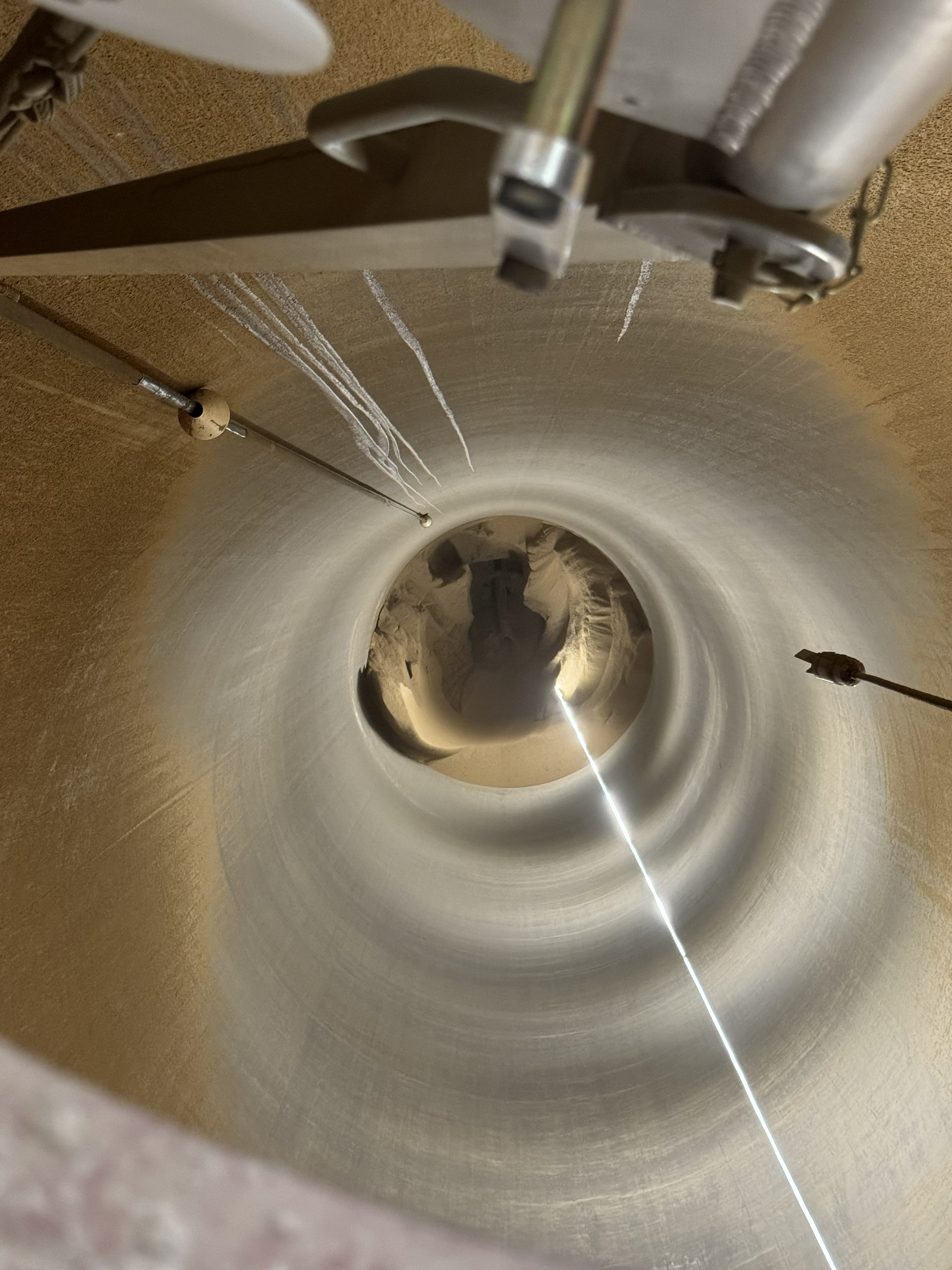
Most silo issues don’t happen overnight. They build up slowly, often unnoticed, until one day, production stops. At that point, the problem is no longer just technical. It affects operations, safety, and costs. This is something we see regularly when working with industrial facilities.
What really causes silo blockages?
Silo blockages are rarely random. They are usually caused by gradual changes in material behavior: - reduced flowability - increased friction - inconsistent discharge - moisture or compaction Individually, these changes seem small. Together, they create instability in the system.
The hidden cost of poor flow
One of the most overlooked issues in industrial operations is when things are not fully stopped, but not working properly either. Poor material flow leads to: - reduced production efficiency - inconsistent output - increased manual intervention - higher wear on equipment When a silo eventually stops, the situation escalates quickly: - production is interrupted - pressure builds internally - decisions are made under time constraints In some cases, personnel may feel forced to enter confined spaces to fix the issue. This is where the real risk begins.
A safer and more predictable approach
At Bluepower, we approach silo cleaning differently. Our focus is simple: no confined space entry. Using specialized equipment, we restore material flow from the outside — without exposing personnel to unnecessary risk. This enables: - safer operations - minimal downtime - controlled and predictable results The most efficient operations don’t wait for a full stop. They act early, before instability becomes failure. If you’re experiencing unstable flow or recurring blockages, we’re happy to take a closer look. 👉Contact us for a non-obligatory assessment.